Gunship Battle Total Warfare
- 4.2
- Rating
- 10.00M
- Installs
- Free
- Price
 Analysis by App-foxy
I approached Gunship Battle Total Warfare expecting a military strategy game that would reward patience more than frantic tapping, and that is broadly how it felt in play. Developed by JOYCITY Corp., it puts the focus on planning around gunships, naval forces, territory, and the timing of larger operations. It is free to start, rated Everyone 10+, and sits in the strategy category rather than trying to be a quick arcade distraction.
My first impression was that this is a game for players who enjoy watching a plan develop. You are not simply choosing a target and waiting for a short round to end. The appeal comes from arranging priorities, checking what needs attention, and deciding whether to spend time improving your position or pushing into the next objective. That slower rhythm can be satisfying, but it also means the game is not an ideal match for someone looking for immediate action every time they open it.
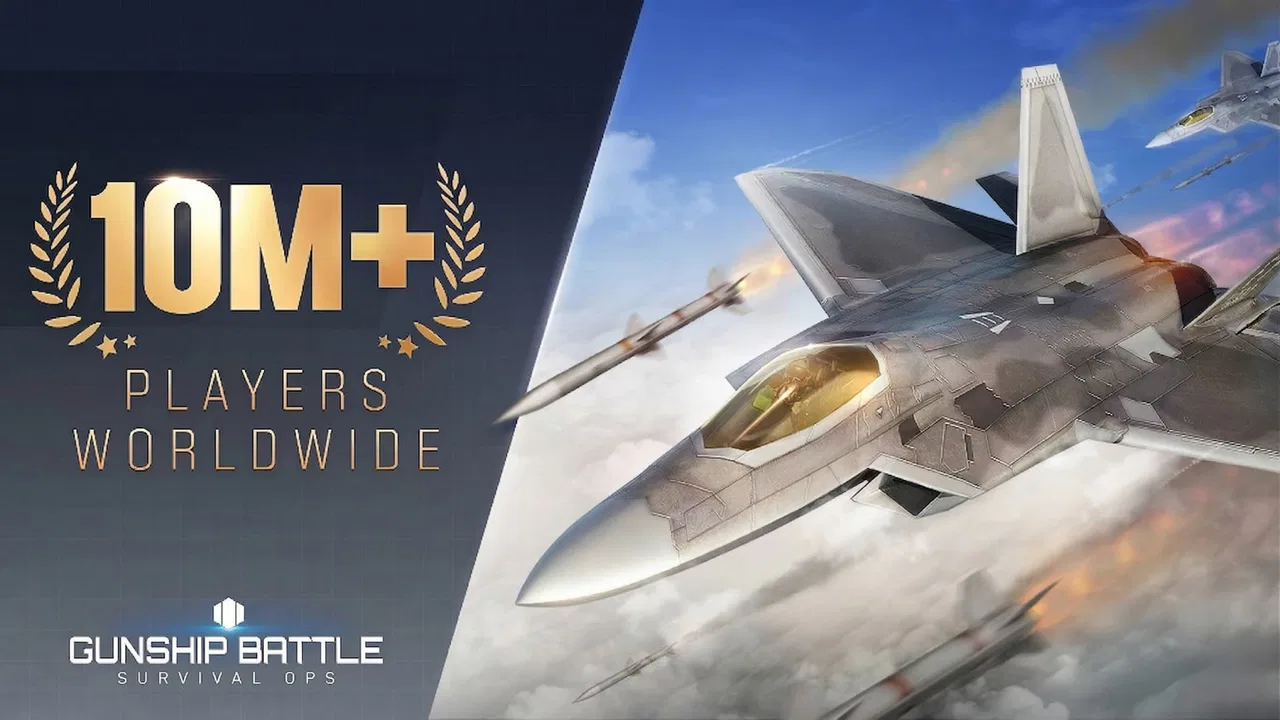
The public response gives it a useful sense of scale: it has a 4.1 average from roughly 127 thousand ratings and has passed 10 million installs. Those figures do not guarantee that every player will enjoy the same parts of it, but they do show that the game has found a substantial audience. After spending time with it, I can see why. Its strongest quality is the way it turns short check-ins into a longer strategic routine.
You May Also Like

 Blood Strike: 2.5 Anniversary
Blood Strike’s Loadouts Turn Every Drop Into a Tactical Gamble
A close look at Blood Strike’s custom loadouts: how fast access to signature weapons reshapes its battle royale rhythm, rewards preparation, and narrows the gap between fights.

 Pandora - Music & Podcasts
Pandora’s Music Is Easy to Start, but Harder to Recover
Pandora’s strength is its low-effort path from a seed to a station. Its weak spot is how much confidence it asks you to place in connection, setup, and quiet recovery.

 8 Ball Pool
 Is Built on Rivalries, Rematches, and Routine
A close look at the rivalries, rematches, shared routines, and unanswered safety questions that turn a quick pool match into a persistent mobile community.

 Samsung Music
’s Quiet Strength Is Playing What You Already Own
Its reach comes less from spectacle than from dependable access to a personal library. That simplicity is both the app’s strongest retention engine and its ceiling.

 AccuWeather: Weather Radar
AccuWeather Review: A Quick, Clear Forecast for Everyday Decisions
For everyday plans, the best forecast is the one you can understand quickly. AccuWeather makes rain timing, radar, and local conditions easy to act on, with a few trade-offs.

 Hill Climb Racing
Why Hill Climb Racing Still Turns Crashes Into One More Run
A tiny car, a bumpy hill and one more upgrade: Hill Climb Racing keeps resurfacing because its simple chaos makes every near-miss feel personal.
More From Our News Desk



How the game feels when you begin
The early experience is easier to understand if you treat it as a command-management game instead of a conventional mission-based action title. The military setting is immediate, but the important decisions are usually about what deserves attention first. I found myself thinking less about winning one isolated encounter and more about whether a choice would leave my overall position stronger a few minutes later.
That distinction matters for speed expectations. The game can feel responsive when I am moving between menus, reviewing objectives, or making a focused decision, yet the larger sense of progress is deliberately more measured. A new player who expects every tap to produce a dramatic result may call it slow. I would describe it as a game built around steady strategic momentum, where the satisfaction comes from building a better situation rather than constantly receiving instant rewards.
For a short everyday session, I would open it while waiting for an appointment, review the current state of my forces, collect what is ready, and decide which upgrade or task should receive attention next. That is a realistic use case because the game works well in small visits, provided you are comfortable returning later instead of demanding that one session settle everything.
The opening hours also teach an important habit: do not treat every available action as equally urgent. I got better results when I chose one immediate priority and left less important tasks alone. This sounds simple, but strategy games often tempt players into spreading resources too thinly. Here, concentrating effort makes the progression feel clearer and reduces the sense that the interface is asking me to solve everything at once.
Planning is more important than constant action
What I liked most is the way the military theme supports a layered style of play. The gunship focus gives the game its identity, while the wider strategy framework encourages me to think about preparation, timing, and consequences. I was rarely asking only, “What can I do now?” I was also asking, “What will this decision leave me ready for afterward?”
That makes it a better fit for players who enjoy management and long-term improvement than for people who want a pure shooting game. If your ideal mobile session involves aiming, firing, and finishing a complete match in a few minutes, this may feel too deliberate. If you like checking a developing operation, making a few meaningful choices, and returning later to see the result, its pacing makes more sense.
One useful approach is to separate decisions into three groups: actions that improve immediate survival or progress, actions that prepare the next stage, and optional spending that can wait. I found that this prevented impulsive choices. It also made the game feel less demanding because I was no longer trying to optimize every visible option simultaneously.
The trade-off is that the game can become mentally busier as more responsibilities appear. The beginning is approachable, but the appeal depends on accepting a growing list of things to monitor. That is not a flaw by itself; it is the central design choice. Still, anyone who prefers a clean, single-objective experience should know that the strategic load is part of the package.
What happens during heavier play
The most demanding moments are not necessarily the ones with the most visual excitement. They are the periods when several objectives compete for the same attention and I have to decide what can safely wait. This is where the game feels most like a command exercise. A careless choice can make the next visit less efficient, while a well-timed decision creates a smoother chain of progress.
During heavier use, I recommend resisting the urge to tap through everything immediately. I got more value from pausing to inspect the situation, identifying the action with the clearest benefit, and then checking whether the remaining resources still supported the next step. That workflow is one of the more practical lessons I took from the game: speed of input is less important than avoiding a poor order of operations.
Another non-obvious trade-off is the difference between visible progress and useful progress. An action that looks attractive because it completes quickly is not always the best choice if it leaves a more important preparation step behind. I learned to judge actions by what they unlock or support, not just by how satisfying the completion message feels.
The game also asks for patience when a larger goal depends on several smaller decisions. That can make a busy session feel slower than expected, especially if I open the app hoping for a major breakthrough. On the other hand, when I return after letting the plan develop, the accumulated progress feels more meaningful than a sequence of disconnected victories.
Resource pressure is another part of the experience. Since the game is free to play and includes in-app purchases ranging from $0.49 to $369.99 per item, I would approach spending carefully. The wide range is a reminder that optional purchases can become significant, particularly for players who want to accelerate progress or compete more aggressively. I would first learn the normal rhythm of the game, identify which decisions actually matter to my style, and only then decide whether any purchase is worthwhile.
That advice is especially important for younger players. The age rating is Everyone 10+, but the presence of in-app purchases means a family should still discuss spending before installation. The game itself may be suitable for that age group, yet a free download does not mean every later choice is cost-free.
Where the game can feel demanding
The main friction is not that the game lacks things to do; it is that the number of things competing for attention can make a session feel like administrative work. I enjoyed that structure in moderation, but I would not call it effortless. A player who wants to relax without remembering priorities may find the constant strategic context tiring.
There is also a difference between playing actively and simply checking in. Short visits are useful, but they do not always provide the same satisfaction as a longer session in which I can make a plan and follow its consequences. If I only had a few seconds, I could maintain awareness, but I would not necessarily experience the deeper strategy that makes the game worthwhile.
My practical tip is to open the game with a purpose. Decide whether you are checking progress, preparing for a future objective, or making a major strategic change. That small habit reduces aimless menu browsing and helps the game feel faster, even though the underlying progression remains measured.
Stability, recovery, and everyday reliability
In normal use, I judge a strategy game less by flashy moments than by whether it lets me return to my plan without confusion. Gunship Battle Total Warfare works best when I keep a clear mental note of what I was trying to accomplish. The more deliberate the previous session, the easier it is to resume. That makes reliability partly a user habit: organized play produces a much smoother experience than random tapping.
The current version is 8.9.3, and the game has been available since December 11, 2018. Its long presence and large install base suggest an established product rather than a brief experiment. I would still distinguish that from a promise of perfect performance on every device or network condition. Mobile games can behave differently depending on hardware, background activity, connection quality, and operating-system behavior, so I would keep expectations practical.
Recovery is easiest when I avoid making several major changes at once. If I return after a break, I prefer to review the current state before committing to a new direction. This is a useful recovery method after an interrupted session, because it prevents me from continuing an old plan without checking whether the situation has changed.
When a strategy game becomes complicated, the real reliability test is whether the player can reconstruct the next step. I found that writing down a simple intention in my head—such as improving readiness, strengthening a weak area, or preparing for a larger objective—made returning much easier. That may sound basic, but it is more effective than trying to remember every detail of a sprawling session.
The game is also more reliable as a routine than as a one-off download. Its design rewards repeated attention, so a player who installs it and expects a complete experience in one evening may judge it harshly. I would give it several short sessions before deciding. The first visit shows the theme; the repeated visits reveal whether the planning loop suits you.
Device limits and practical expectations
The minimum operating-system requirement is Android 6.0, which makes the game accessible to a broad range of Android users. That does not mean every compatible phone will provide the same experience. A device can meet the operating-system requirement and still feel less comfortable during longer sessions if it has limited memory, an older processor, or little free storage.
For that reason, I would treat device capacity as part of the decision. On a newer phone, the main concern is likely to be whether you enjoy the ongoing strategy rather than whether the game is conceptually too complex. On an older compatible device, I would be more cautious about extended sessions and heavy multitasking. Closing other demanding apps before playing is a sensible habit, especially if the phone already struggles when several applications remain open.
Battery use is also worth considering in practical terms, even without assigning a measurement. A game that encourages repeated check-ins can become part of a daily routine, and frequent sessions naturally matter more than a single short test. I would play with a reasonable brightness level, avoid keeping unnecessary apps active, and use shorter visits if the phone is already warm or low on power.
Screen size can affect comfort too. The strategic interface asks me to inspect information and make deliberate choices, so a very small display may feel cramped compared with a larger phone. That does not make the game unusable, but it can make careful planning less pleasant. Players who value readability should test the interface before committing to long sessions.
Storage and connectivity are practical concerns for any sizeable mobile strategy title, but I would not make assumptions beyond the installation requirements shown by the platform. My advice is simply to keep enough free space for the game and normal system activity, and to install it through the official app marketplace. That is more useful than treating a single compatibility line as a guarantee of identical performance everywhere.
Who should install it, and who should skip it?
I would recommend it to someone who enjoys military themes, slow-burn progression, and making choices that matter beyond the current screen. It suits players who like returning to a developing operation, improving a position over time, and learning which tasks deserve priority. It can also work for people who want a strategy game that fits around a busy day rather than demanding one uninterrupted block of attention.
I would be less likely to recommend it to a player seeking a self-contained action game with a clear beginning and end in every session. It is also a poor fit for anyone who dislikes waiting, resource decisions, or the possibility of feeling pressure from optional purchases. If you want a purely competitive experience with minimal management, a focused real-time strategy title or a conventional action game may be a better choice.
Compared with simpler mobile strategy alternatives, this game feels more involved and more persistent. Compared with a traditional PC strategy game, it is easier to approach in short visits but less suited to a single, deeply controlled campaign session. That middle ground is its identity: it offers a continuing military project rather than a compact match or a fully self-contained simulation.
The best way to decide is to ask yourself what kind of satisfaction you want. If you enjoy optimizing a routine, checking consequences, and gradually improving your command position, the free entry point makes it easy to try. If you already know that timers, resource limits, or in-app purchase prompts frustrate you, the same structure may become a source of irritation rather than enjoyment.
My performance verdict
After weighing the speed, heavier-use demands, reliability, and device considerations, I see Gunship Battle Total Warfare as a patient strategy game with a clear audience. It is not designed around constant instant action. Its perceived speed improves when I enter with a plan, focus on one priority, and accept that meaningful progress may be spread across several visits.
The strongest part is the strategic routine. I like that a short session can still matter, while a longer session gives room to think through competing objectives. The weakest part is the same system viewed from another angle: players who dislike ongoing maintenance may feel that the game asks for too much attention without delivering a complete payoff each time they open it.
I also think the purchase range deserves a measured approach. Because the game is free to start but offers items from $0.49 up to $369.99, I would not recommend spending early simply to make the opening feel quicker. Learn the normal pace first. If the planning loop is enjoyable without purchases, you will be in a better position to decide whether optional spending adds value or merely shortens the part you actually like.
The long-running release history, current version 8.9.3, and audience of over 10 million installs make it a credible choice for this style of mobile strategy. Still, popularity does not remove the need to match the game to your habits. I would install it on a compatible Android device, give it several short sessions, and pay attention to whether the act of planning feels rewarding rather than burdensome.
My final recommendation is positive but selective. Gunship Battle Total Warfare is worth trying if you want an ongoing military strategy routine, not a quick arcade battle. I would recommend it to patient planners who can manage resources carefully and resist unnecessary purchases. I would skip it in favor of a faster, more self-contained alternative if my main goal were immediate action, minimal menus, or a complete experience in every sitting.
FAQs for Gunship Battle Total Warfare
01What is Gunship Battle Total Warfare?
Gunship Battle Total Warfare is a real-time strategy game where players engage in naval combat, manage resources, and build powerful fleets. The game combines stunning 3D graphics with immersive gameplay, allowing users to command aircraft carriers, submarines, and various warships. It’s available on both Android and iOS platforms.
02Is Gunship Battle Total Warfare free to play?
Yes, Gunship Battle Total Warfare is free to download and play. However, it offers in-app purchases that provide various in-game advantages, such as faster resource gathering or enhanced weaponry. Players can choose to make purchases or play without spending any money, though it may impact the game progression speed.
03What are the main features of Gunship Battle Total Warfare?
The game features real-time naval battles, a variety of warships and aircraft to command, and strategic resource management. Players can form alliances, engage in worldwide player battles, and participate in events. Its detailed graphics and engaging combat mechanics are designed to offer a comprehensive strategy gaming experience.
04What devices are compatible with Gunship Battle Total Warfare?
Gunship Battle Total Warfare is compatible with most modern Android and iOS devices. It requires a stable internet connection and is optimized for devices with good processing power and graphics capabilities. It’s advisable to check the specific device requirements on Google Play or the App Store before downloading.
05Are there any tips for beginners in Gunship Battle Total Warfare?
Beginners should focus on building a balanced fleet and upgrading their base to enhance defense capabilities. Joining alliances early can provide strategic benefits and resources. Completing missions and participating in events are also crucial for gaining experience and advancing more quickly in the game.
Pros
- Stunning graphics enhance gameplay experience.
- Diverse missions keep players engaged.
- Strategic depth with customizable fleets.
- Real-time PvP battles add excitement.
- Regular updates with new content.
Cons
- In-app purchases can be costly.
- Requires stable internet connection.
- High battery consumption during play.
- Complex controls for new players.
- Limited offline functionality.

Gunship Battle Total Warfare
Gallery